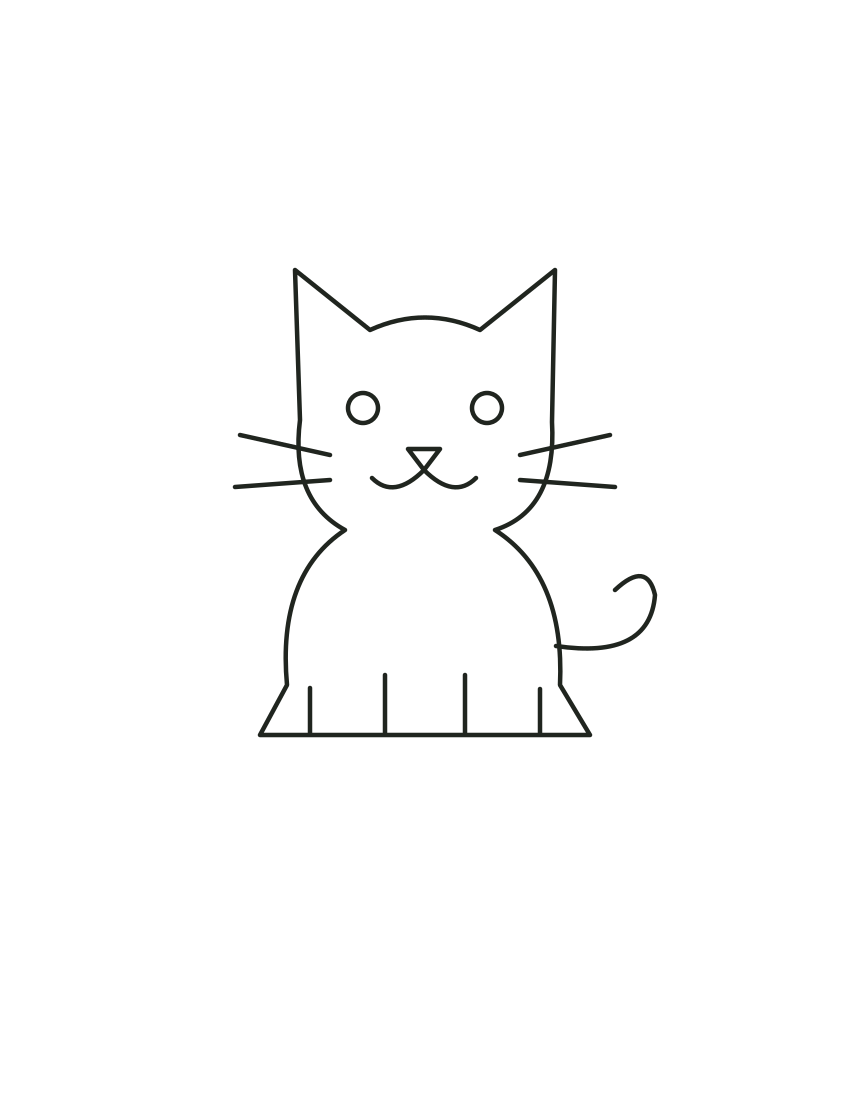
Cat: open sheet
Keep the surrounding area clear for your own additions.
ORIGINAL PRINTABLE COLLECTION
Choose from 15 cat coloring sheets: 13 reviewed AI-generated storybook illustrations in PNG and two simple vector exercises in SVG. Compare the actual previews, download your chosen file, and check its placement in print preview.
CHOOSE / DOWNLOAD / PRINT
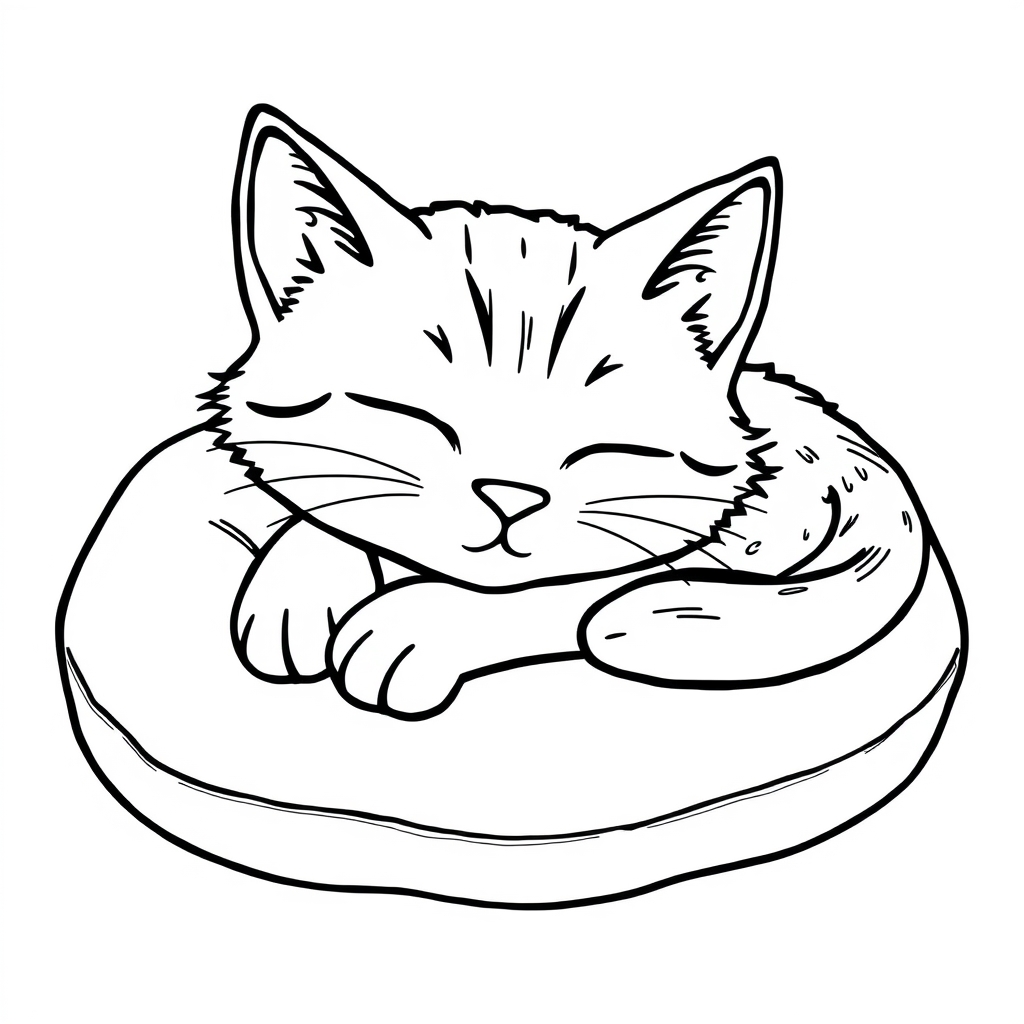
Selected: Cat sleepy cushion
Download the original file, or print just the selected picture. Inspect paper size and scaling in the browser print preview. Save as PDF depends on your browser. Physical printing has not been tested.
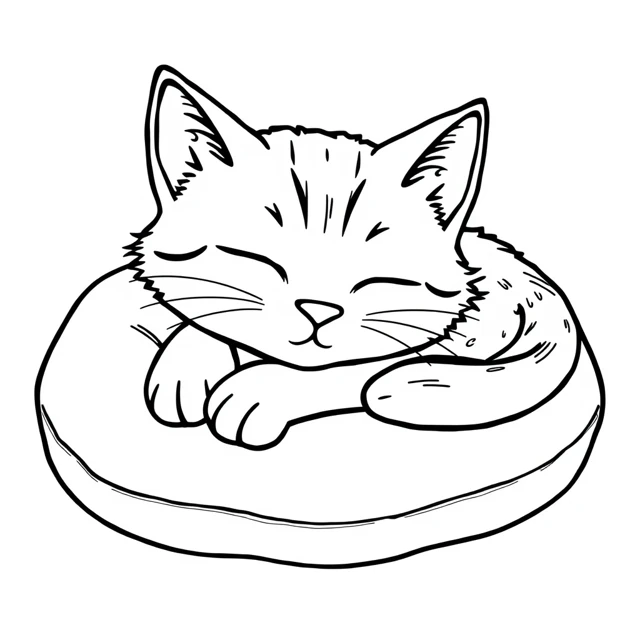
These 13 AI-generated illustrations were selected after a visual review. Each image has its own PNG download. The two simpler vector exercises below are a separate starting point for large coloring areas.
Choose a soft cushion pattern and leave the face readable.
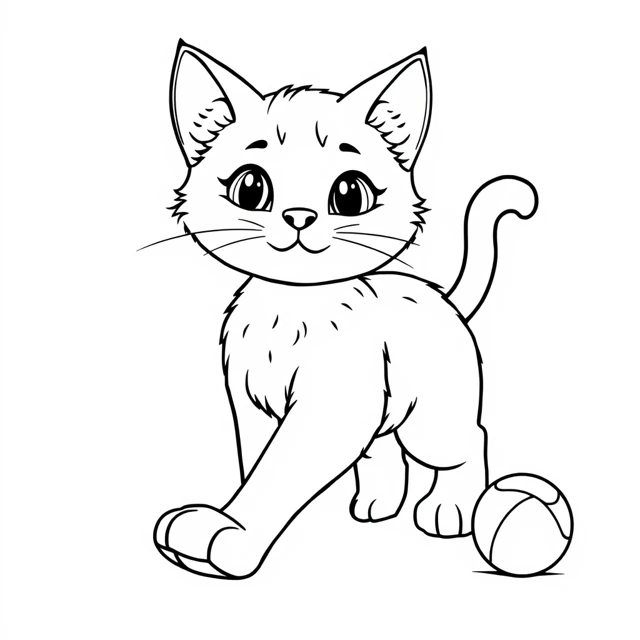
Match one coat patch to the ball閳ユ獨 curved panels.
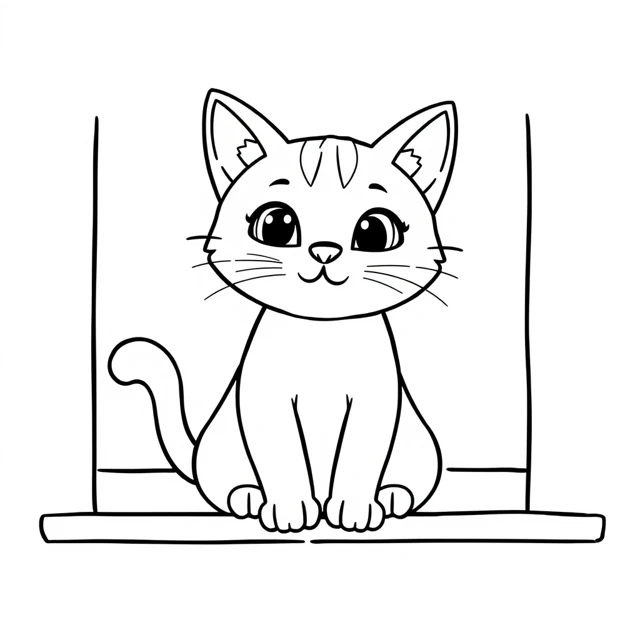
Keep the window frame separate from the character.
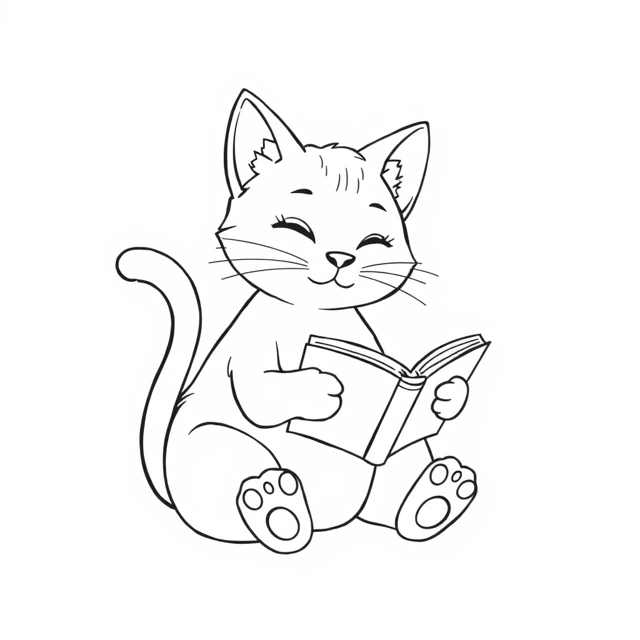
Invent a story using the book panels; no printed text is supplied.
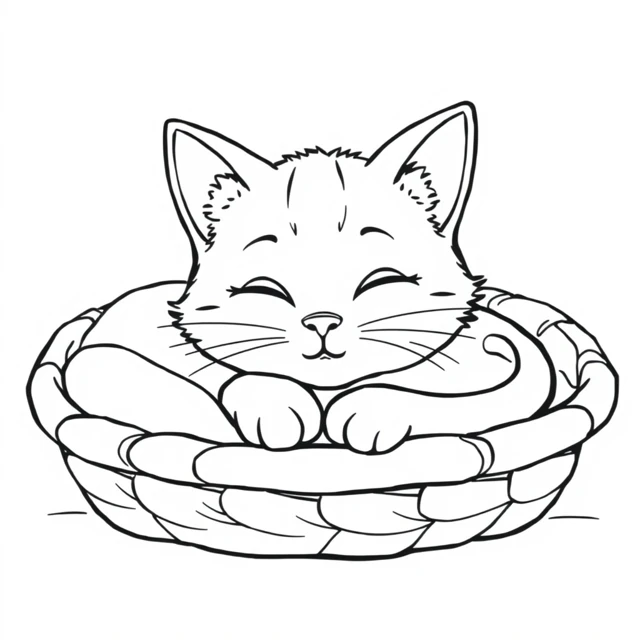
Alternate colors between the basket weave bands.
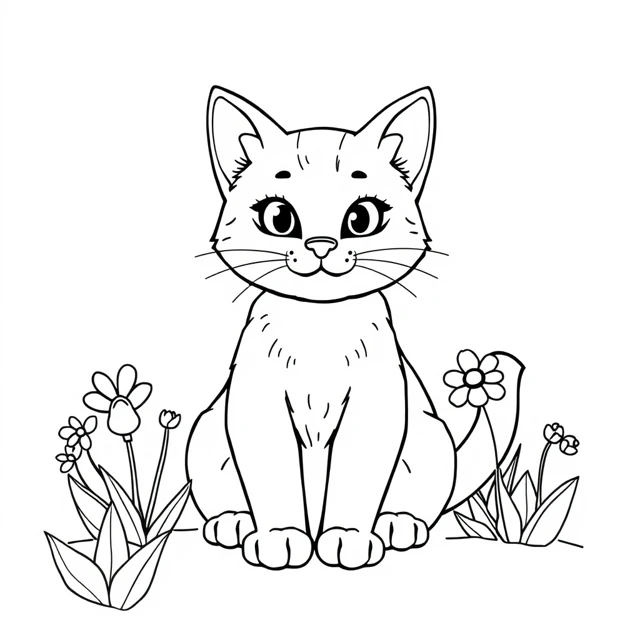
Choose flower colors that differ from the coat.
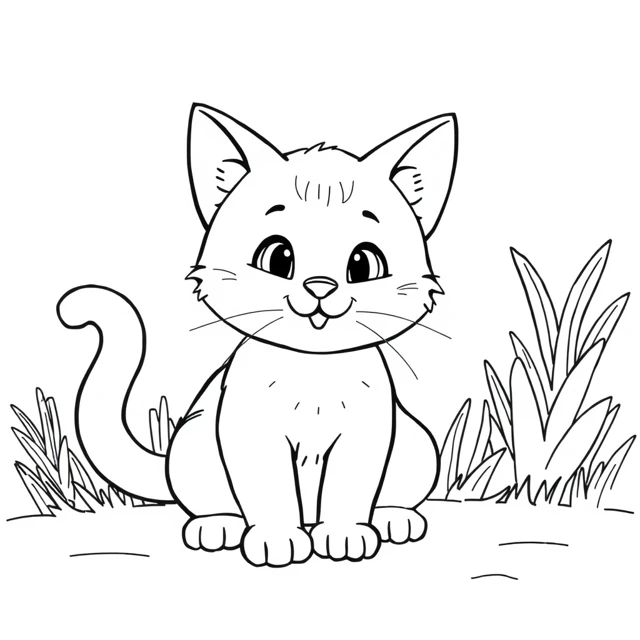
Choose one body color and a separate palette for the broad plants.
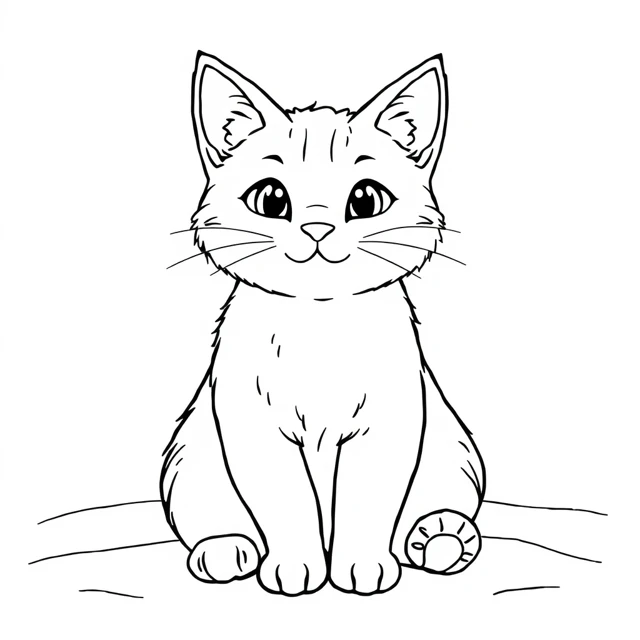
Give the body a broad color area and leave the tiny fur marks uncolored if preferred.
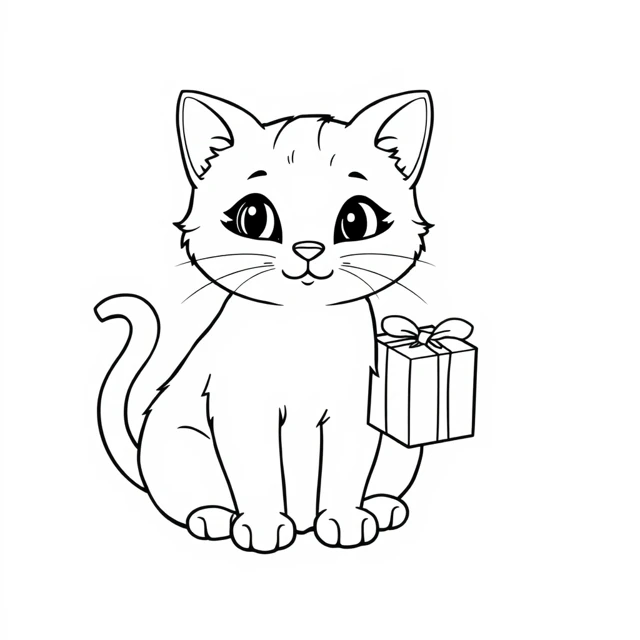
Keep wrapping patterns distinct from the animal閳ユ獨 body.
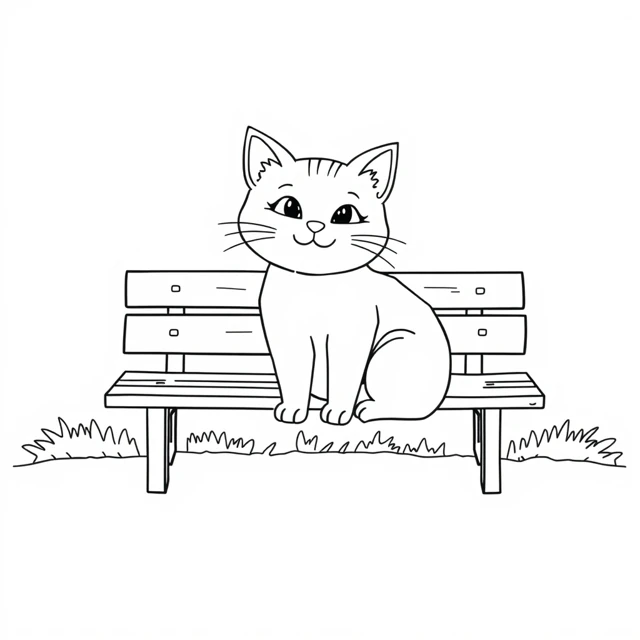
Choose broad colors for the seat and smaller patches for the pet.
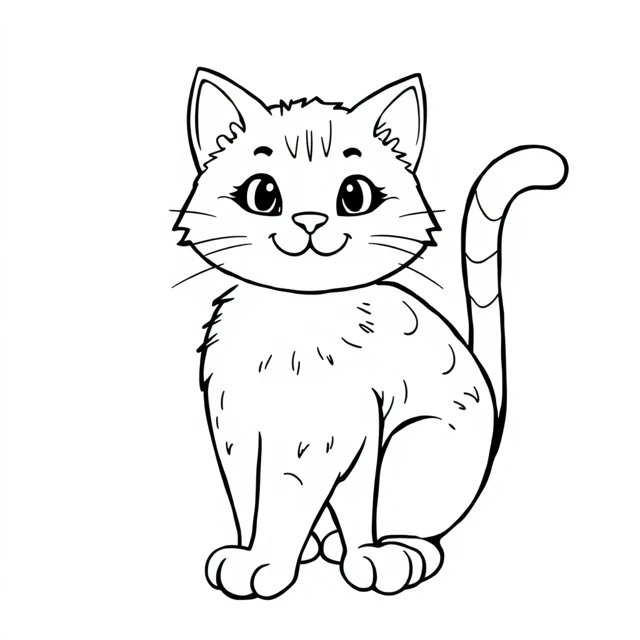
Color the single raised tail separately from the body.
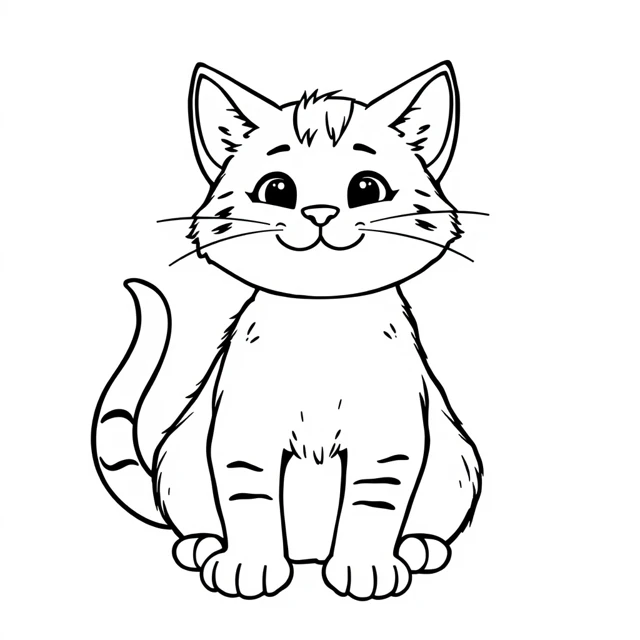
Repeat a small accent across the visible stripe marks.
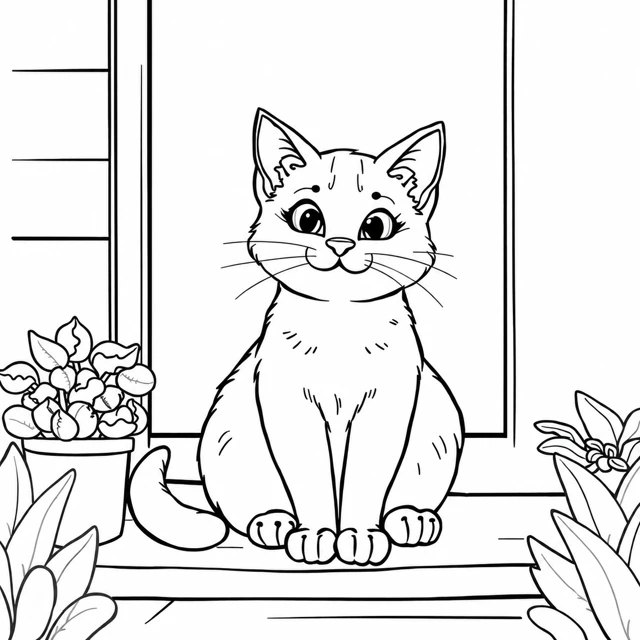
Choose a body palette, then color the broad plant leaves.
Keep the surrounding area clear for your own additions.
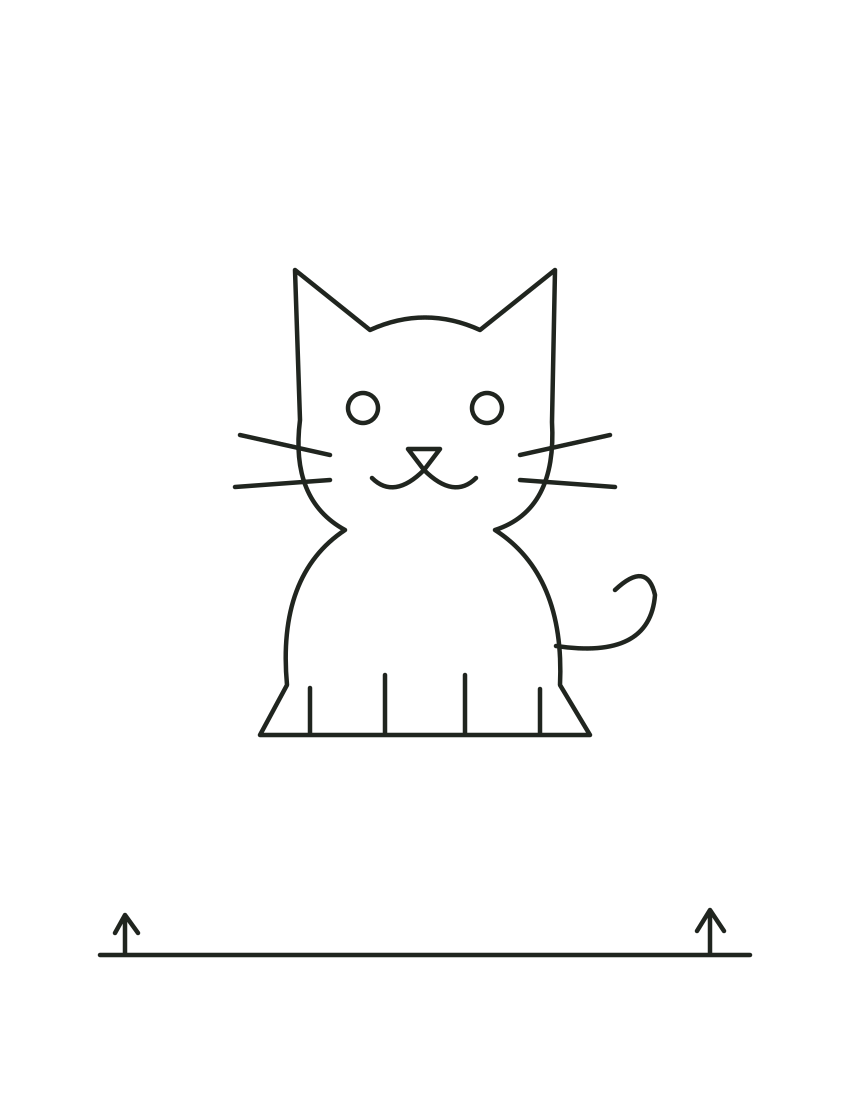
Use the ground line as a starting point for a setting.
Choose large patches, stripes or spots for the broad body before coloring the face. You can use an invented palette instead of trying to match a real breed. The whiskers extend outside the head: keep those lines visible when adding scenery. Draw one object the cat might watch, perhaps a toy or window. Use the ground line in the scene version to place a cushion beneath the paws. A parent can ask a child to explain what caught the cat’s attention. These are creative prompts, not claims about an animal’s temperament, breed or care needs. Leave some white areas if the coat becomes too busy.
Use one sheet for a quiet activity at home, or let a small group compare poses, large subjects and more detailed settings in the collection. Explain the creative task before giving out the page. Children can leave areas uncolored, add their own marks or tell a story instead of completing every shape. There is no age score or tested classroom result attached to this collection.
For a party, place coloring materials within reach and let each guest choose their own palette. A teacher can compare a large-subject sheet with a scene and ask which leaves more space for additional ideas. Avoid judging the activity only by how closely a child stays inside the lines.
A large seated cat leaves more room for coat patches than the two-friend and window scenes. Check the whiskers and ears in print preview: shrinking a detailed scene can make those lines merge. For a group activity, offer a walking cat, a sleeping cat and a sitter so children can choose an actual pose rather than just a different background.
Use a pale pencil on the cushion or window if you want the coat to remain the main focus. Select paper for your chosen coloring materials, check the paws on a proof, and add a pet name by hand. The files are generic illustrations, not personalized portraits or animal-care instructions.
At home, choose one visible cat picture and begin with a few broad shapes. For a class or small party, compare two previews and let people choose their own palette. Use the selected-sheet panel to download or print the chosen picture without printing the gallery. Select the paper loaded in your printer, inspect fit and margins, and use black-and-white or grayscale if available. A single-sided sheet leaves the back clear for a message or invented story;
Yes. Each preview shows the image linked by its own download button; the reviewed scenes use PNG and the two simple exercises use SVG. They are prepared illustrations, not examples promised from a future generator run.
You can add details by hand after printing or edit your copy in a compatible SVG editor for your personal or classroom activity. The fixed download does not have an online editing panel.
Use the separate photo-to-coloring-page workflow for your own permitted image. It creates a raster outline and is different from downloading these prepared vectors.
Want another subject? Create a new page in the AI coloring page generator, or start with your own photo.
If you save your chosen picture as a PDF, Adobe’s guide to PDF page size and fit settings explains the print-dialog options. Settings differ in other viewers and printer drivers.
For a separate drawing activity, explore the National Gallery of Art’s lesson on drawing everyday objects. It offers mark-making ideas rather than instructions or an endorsement for this generator.