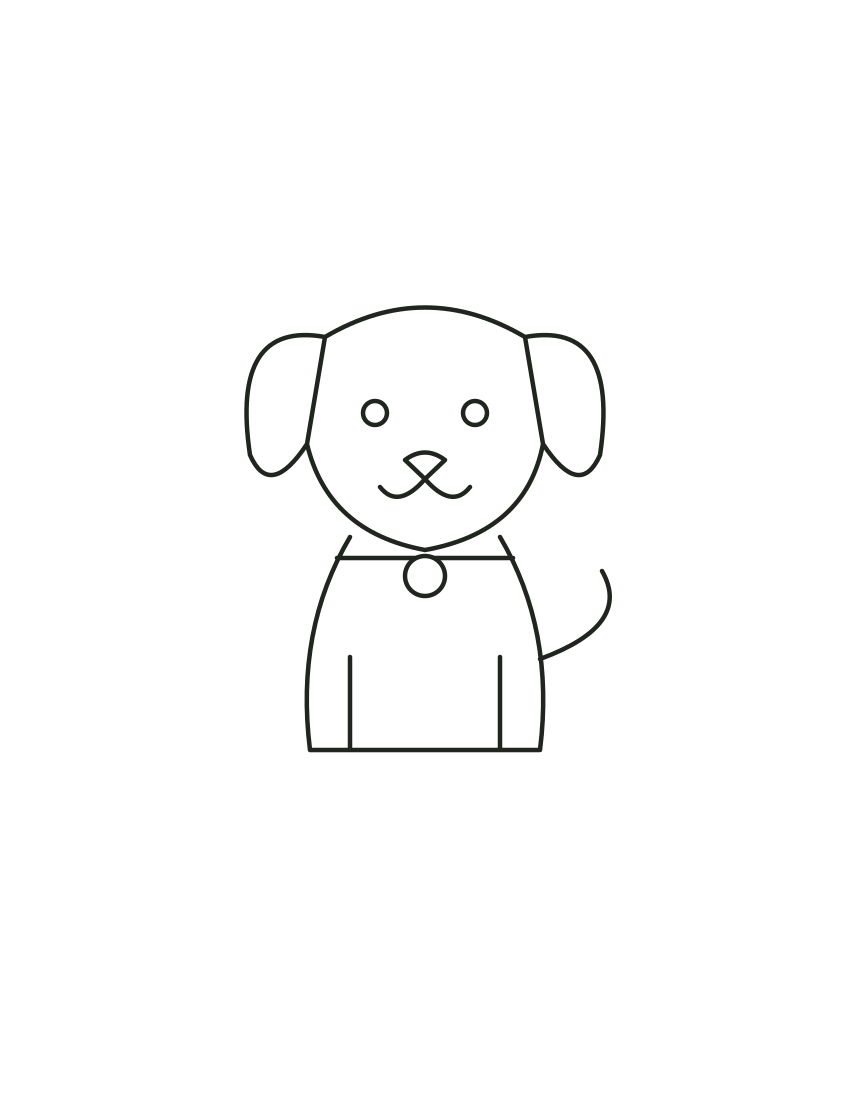
Dog: open sheet
Keep the surrounding area clear for your own additions.
ORIGINAL PRINTABLE COLLECTION
Choose from 15 dog coloring sheets: 13 reviewed AI-generated storybook illustrations in PNG and two simple vector exercises in SVG. Compare the actual previews, download your chosen file, and check its placement in print preview.
CHOOSE / DOWNLOAD / PRINT
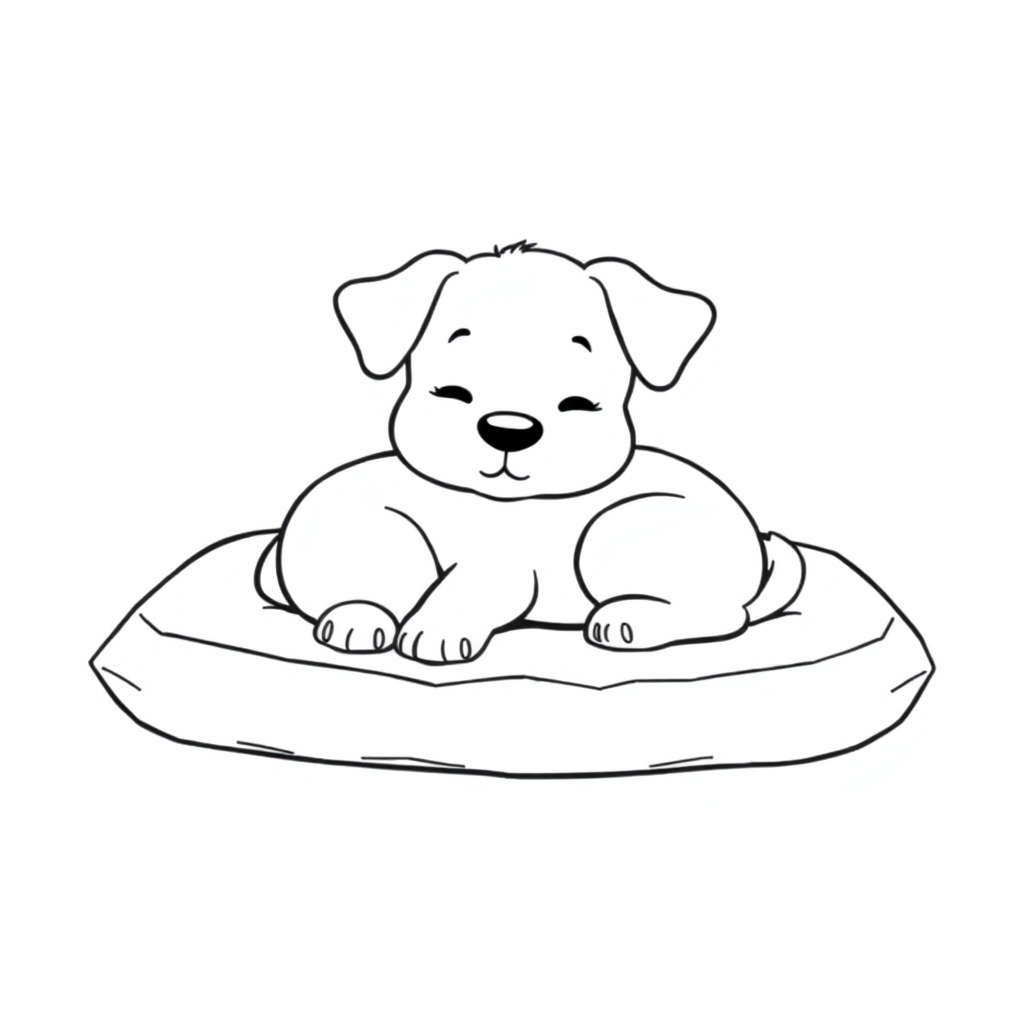
Selected: Dog sleepy cushion
Download the original file, or print just the selected picture. Inspect paper size and scaling in the browser print preview. Save as PDF depends on your browser. Physical printing has not been tested.
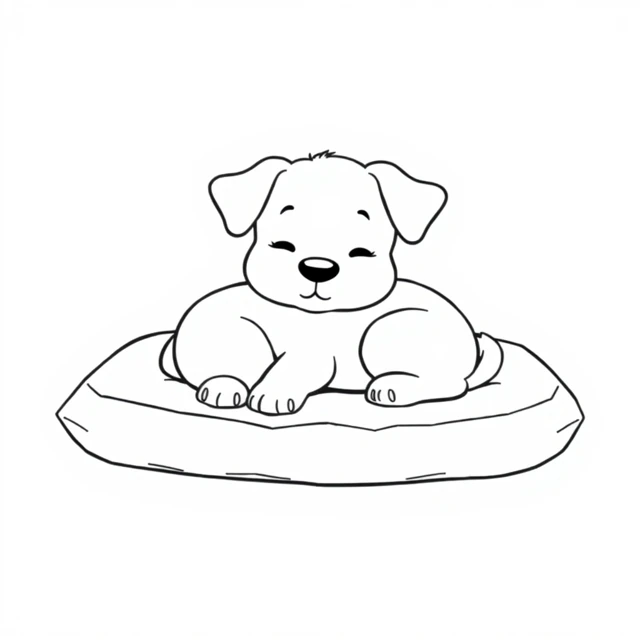
These 13 AI-generated illustrations were selected after a visual review. Each image has its own PNG download. The two simpler vector exercises below are a separate starting point for large coloring areas.
Choose a soft cushion pattern and leave the face readable.
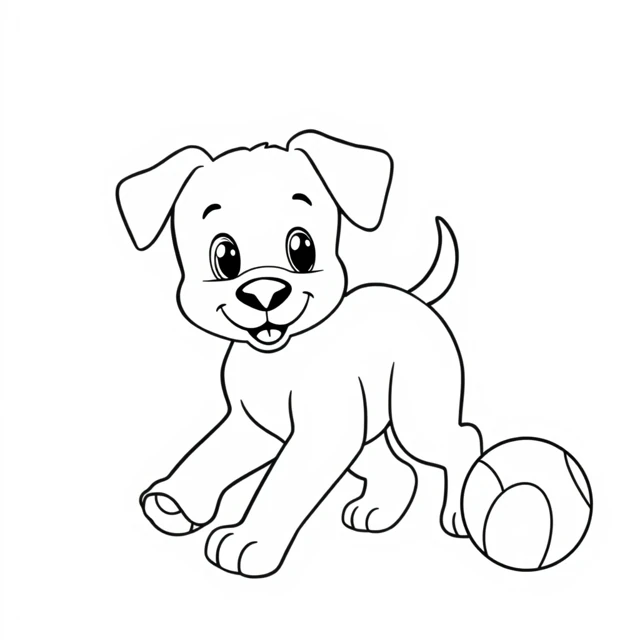
Match one coat patch to the ball閳ユ獨 curved panels.
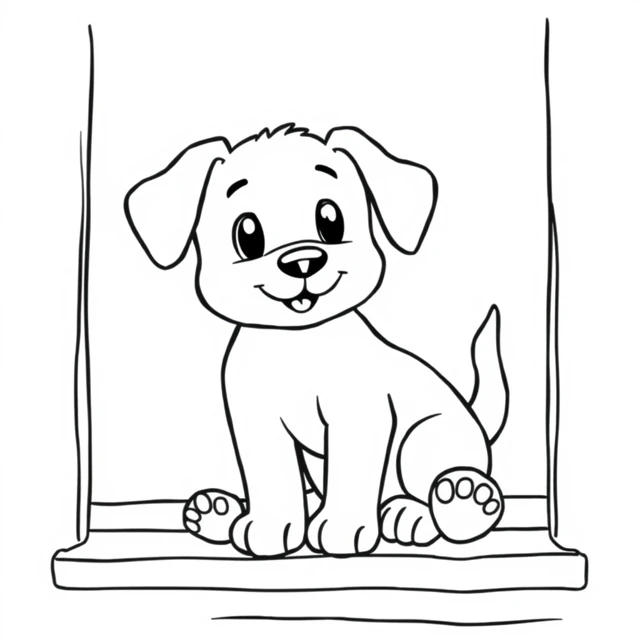
Keep the window frame separate from the character.
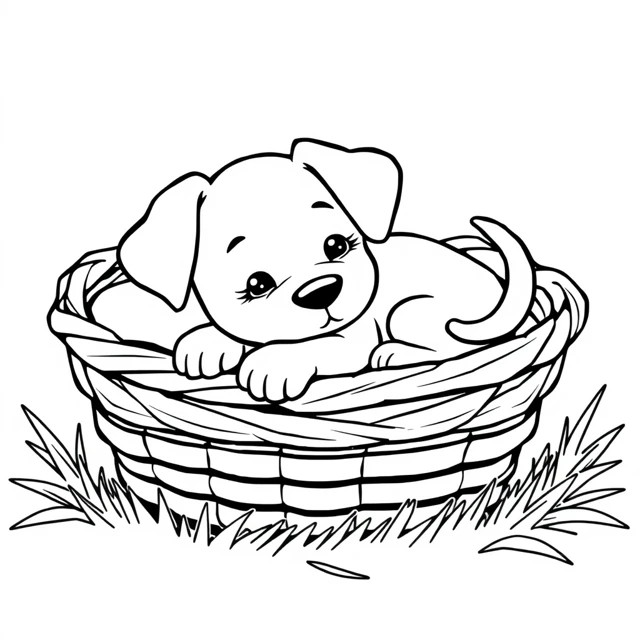
Alternate colors between the basket weave bands.
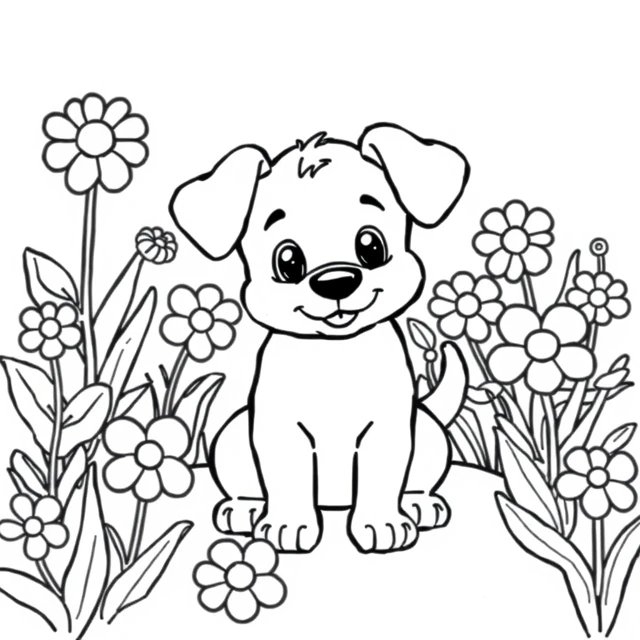
Choose flower colors that differ from the coat.
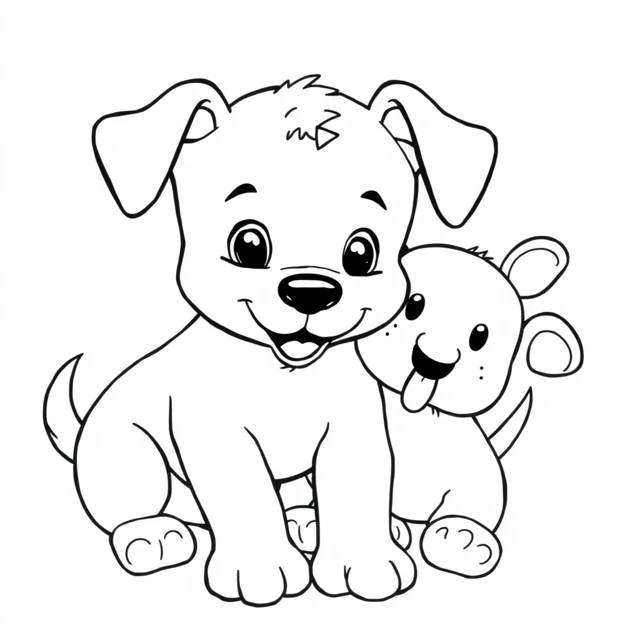
Give the two animal characters different palettes and keep their boundaries visible.
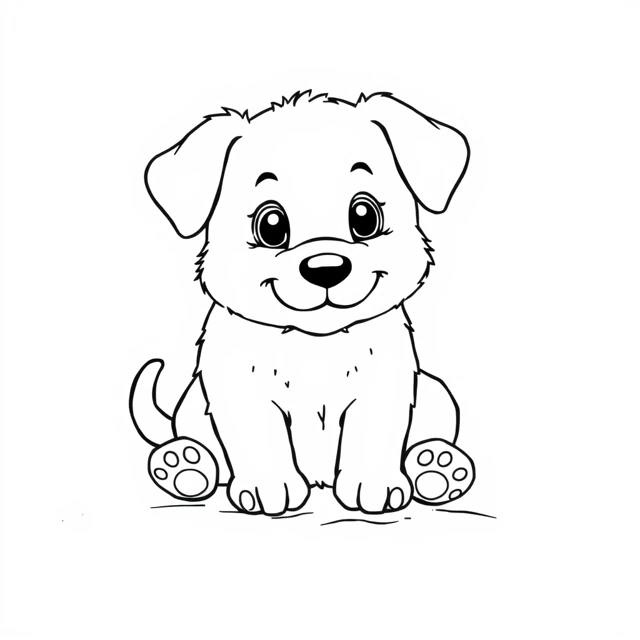
Choose a broad body color and leave the little fur marks as outlines.
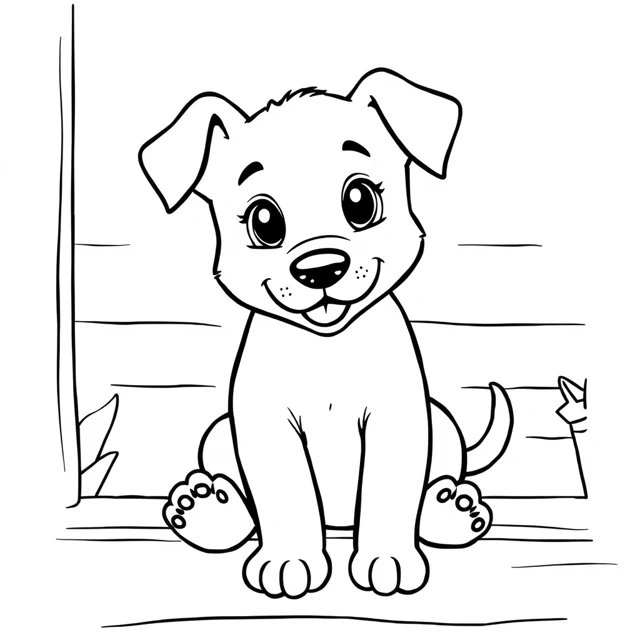
Use the house and pet as separate foreground and background subjects.
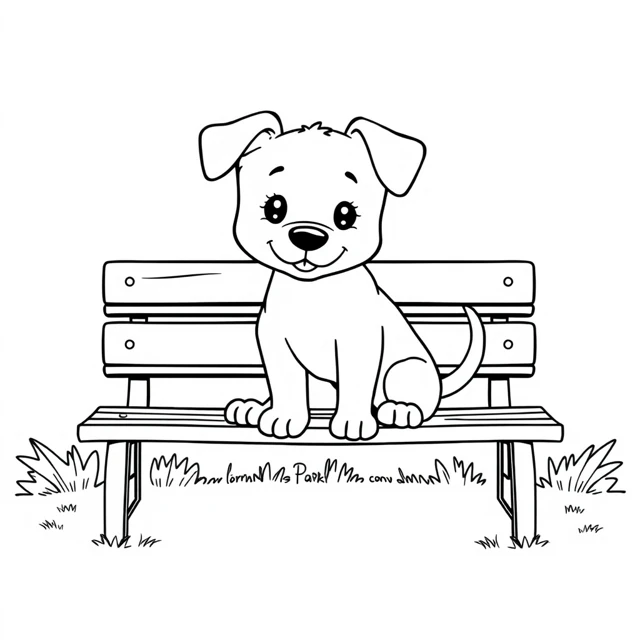
Choose broad colors for the seat and smaller patches for the pet.
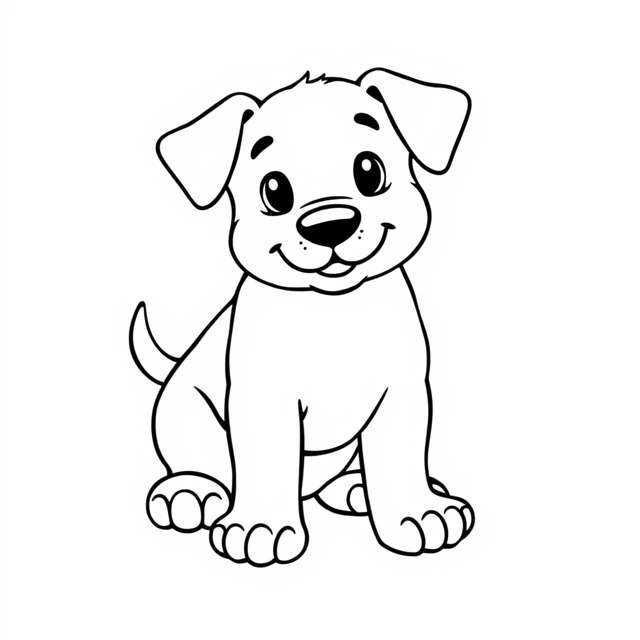
Use the open body area first, then color the ears with an accent.
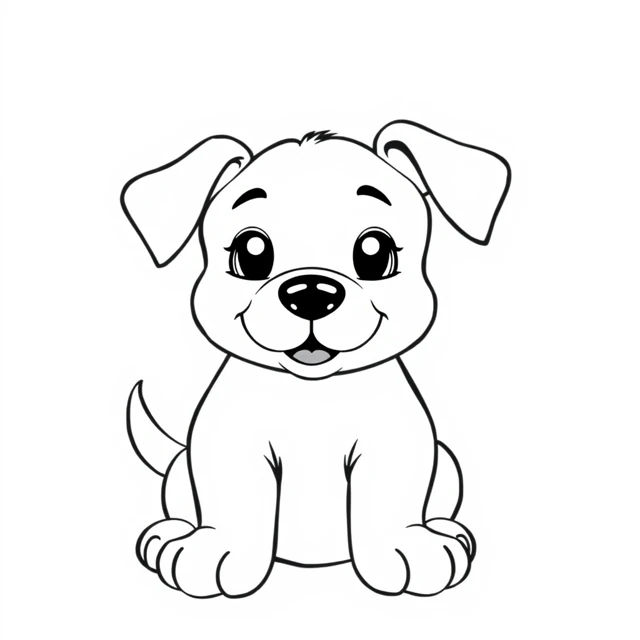
Try a different palette on the ears and the broad body.
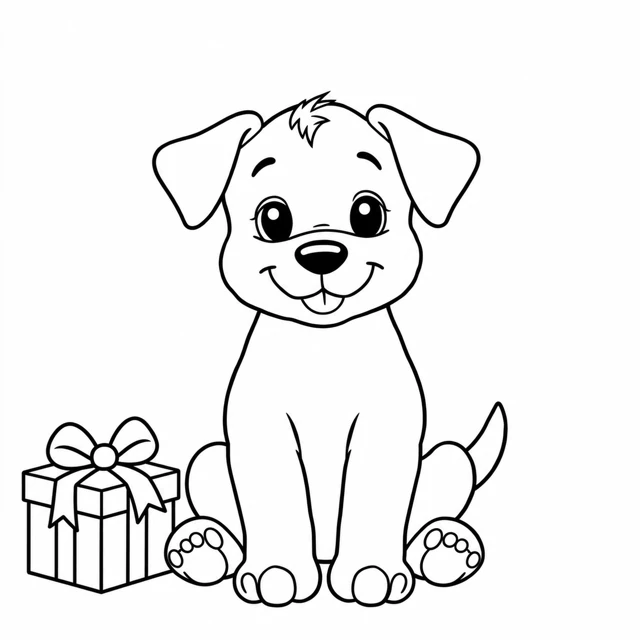
Use a ribbon accent that repeats on a small part of the puppy.
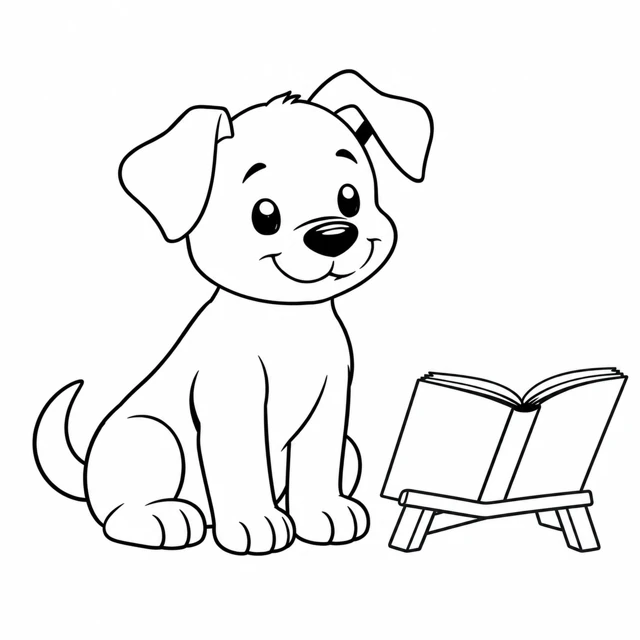
Color the puppy first and keep the open book on its stand a separate palette.
Keep the surrounding area clear for your own additions.
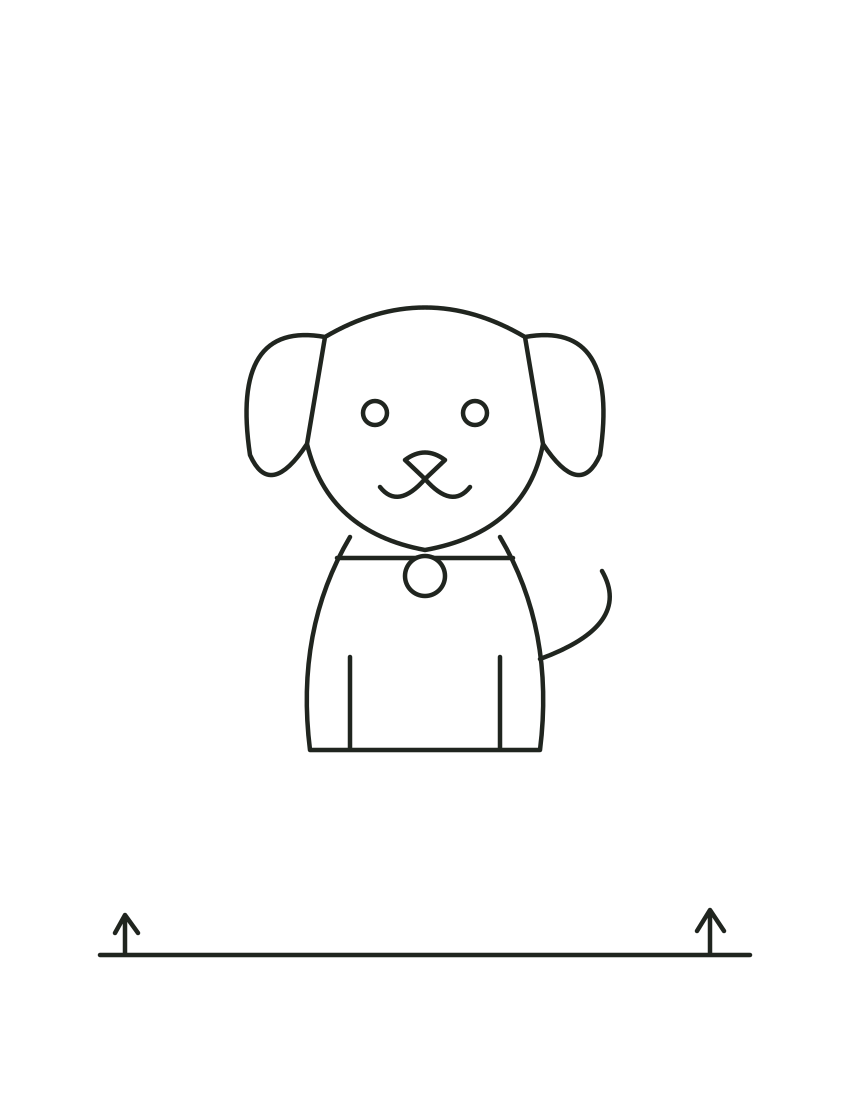
Use the ground line as a starting point for a setting.
Choose one collar color and a contrasting shade for the tag, then invent the dog’s favorite place. Use large patches on the broad ears and body rather than a dense fur texture. Leave a light area around the mouth and nose so they remain visible. Draw a bowl or toy beside the paws without crossing the existing outline. The scene version provides a horizon for a park or garden. A classroom can compare how the setting changes the story while the dog stays the same. This is an invented generic dog, not a portrait of a specific pet or a guide to animal care.
Use one sheet for a quiet activity at home, or let a small group compare poses, large subjects and more detailed settings in the collection. Explain the creative task before giving out the page. Children can leave areas uncolored, add their own marks or tell a story instead of completing every shape. There is no age score or tested classroom result attached to this collection.
For a party, place coloring materials within reach and let each guest choose their own palette. A teacher can compare a large-subject sheet with a scene and ask which leaves more space for additional ideas. Avoid judging the activity only by how closely a child stays inside the lines.
Start with the large sitter for broad coat patches, then choose a walking or resting dog if you want a story setting. Keep the collar tag and nose visible when scaling the page. The reading, parcel and garden scenes have smaller objects; full-page printing gives those objects more room than a tiny party card.
Check the ears and paws on one proof sheet before making copies. Choose supported paper for markers or crayons and protect the table when needed. Handwrite an invented name in the open margin; the prepared illustrations do not identify a real breed or pet.
At home, choose one visible dog picture and begin with a few broad shapes. For a class or small party, compare two previews and let people choose their own palette. Use the selected-sheet panel to download or print the chosen picture without printing the gallery. Select the paper loaded in your printer, inspect fit and margins, and use black-and-white or grayscale if available. A single-sided sheet leaves the back clear for a message or invented story;
Yes. Each preview shows the image linked by its own download button; the reviewed scenes use PNG and the two simple exercises use SVG. They are prepared illustrations, not examples promised from a future generator run.
You can add details by hand after printing or edit your copy in a compatible SVG editor for your personal or classroom activity. The fixed download does not have an online editing panel.
Use the separate photo-to-coloring-page workflow for your own permitted image. It creates a raster outline and is different from downloading these prepared vectors.
Want another subject? Create a new page in the AI coloring page generator, or start with your own photo.
If you save your chosen picture as a PDF, Adobe’s guide to PDF page size and fit settings explains the print-dialog options. Settings differ in other viewers and printer drivers.
For a separate drawing activity, explore the National Gallery of Art’s lesson on drawing everyday objects. It offers mark-making ideas rather than instructions or an endorsement for this generator.