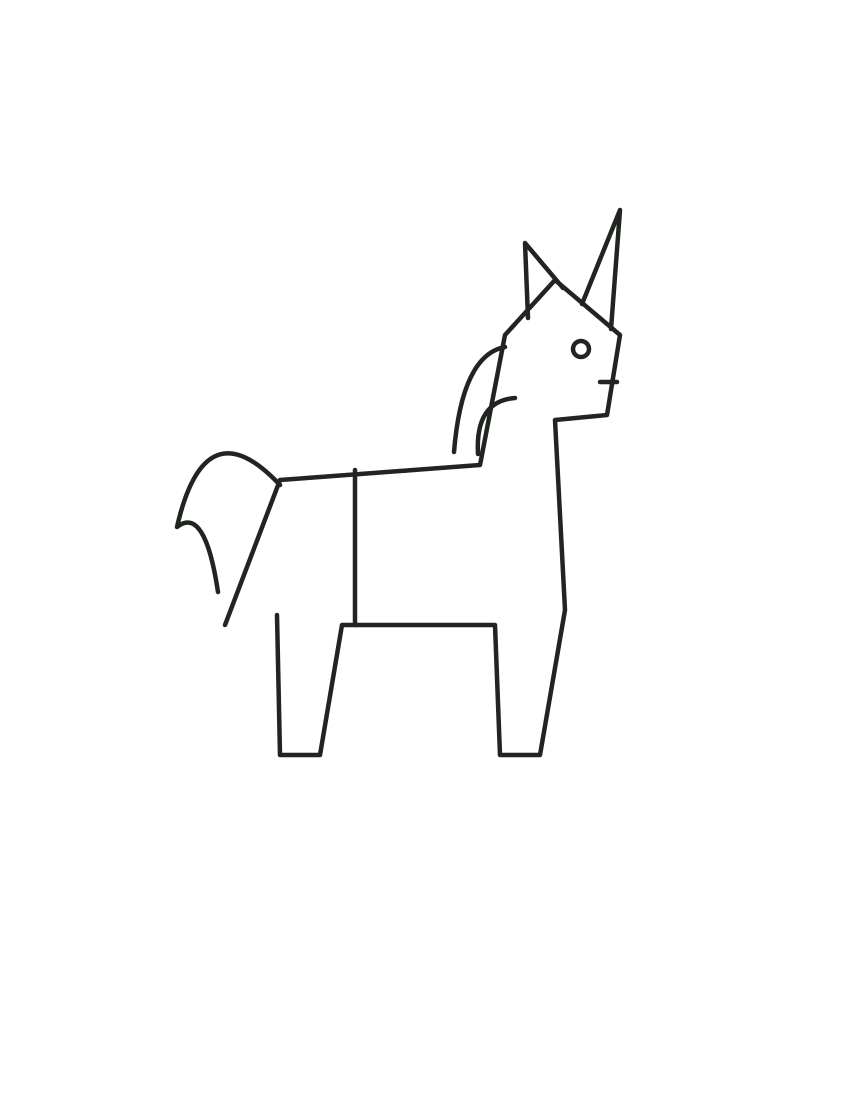
Unicorn: open sheet
Keep the surrounding area clear for your own additions.
ORIGINAL PRINTABLE COLLECTION
Choose from 15 unicorn coloring sheets: 13 reviewed AI-generated storybook illustrations in PNG and two simple vector exercises in SVG. Compare the actual previews, download your chosen file, and check its placement in print preview.
CHOOSE / DOWNLOAD / PRINT
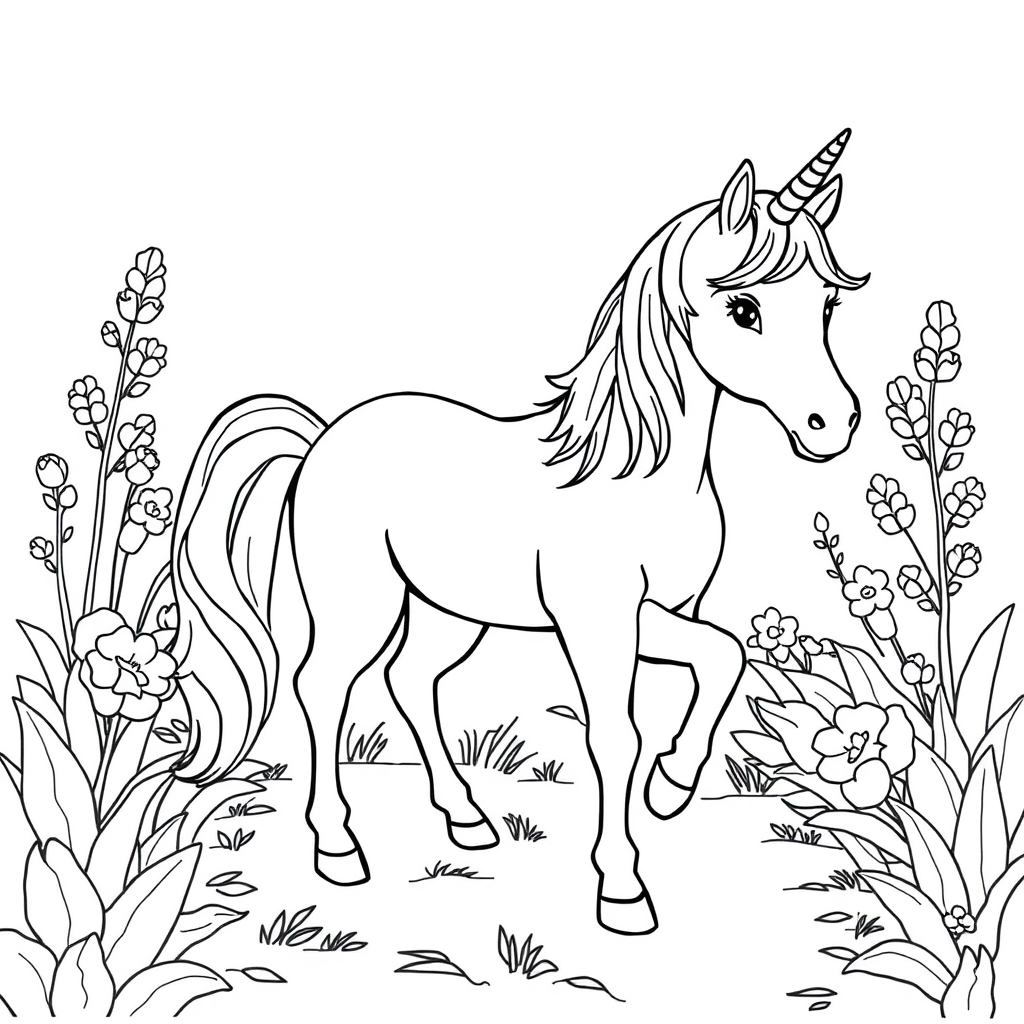
Selected: Unicorn garden
Download the original file, or print just the selected picture. Inspect paper size and scaling in the browser print preview. Save as PDF depends on your browser. Physical printing has not been tested.
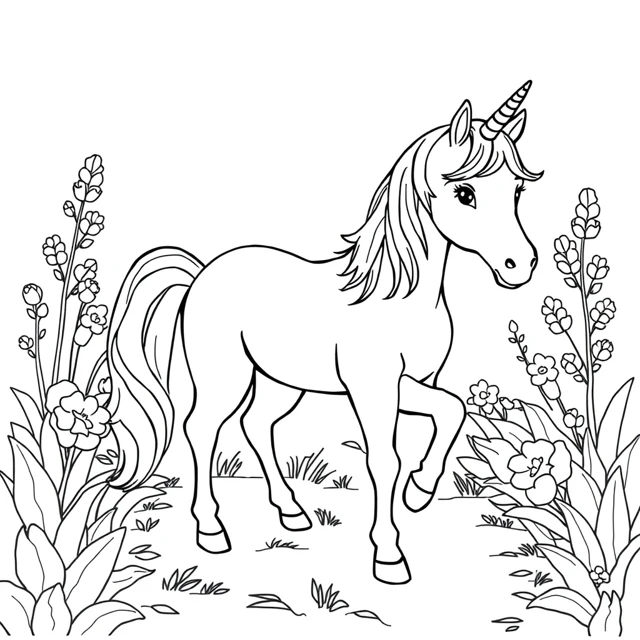
These 13 AI-generated illustrations were selected after a visual review. Each image has its own PNG download. The two simpler vector exercises below are a separate starting point for large coloring areas.
Match a flower accent to the mane.
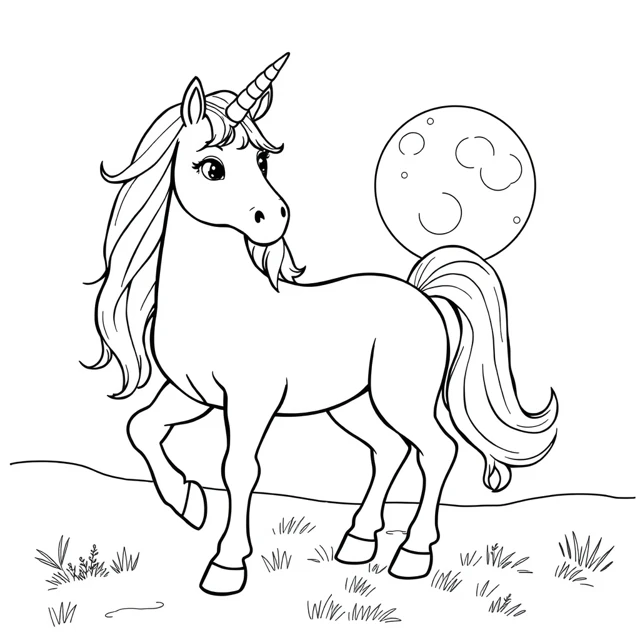
Leave open white space around the moon instead of filling a dark sky.
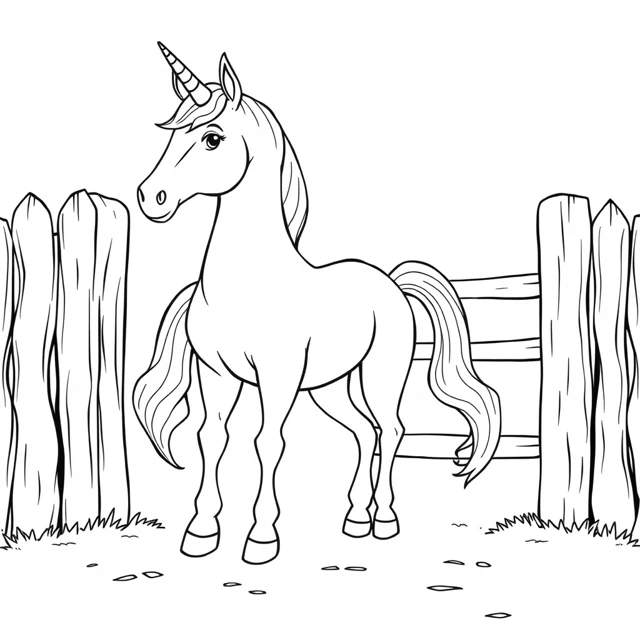
Keep the gate rails pale so the unicorn remains clear.
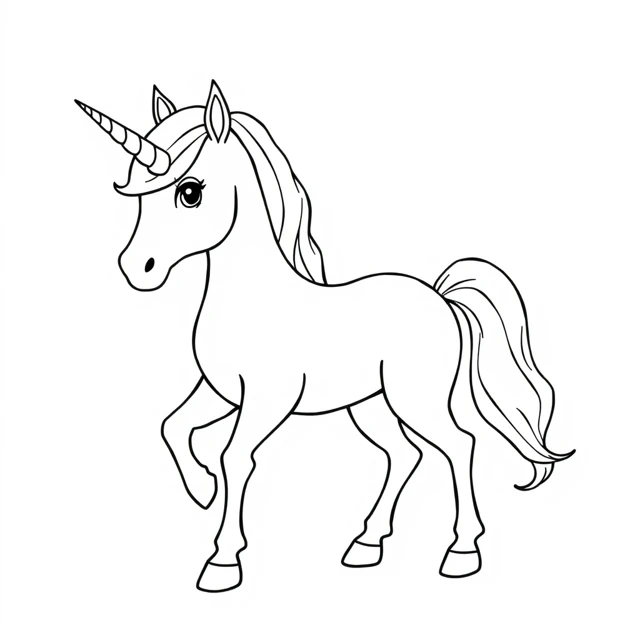
Choose a mane color and repeat it in the single flowing tail.
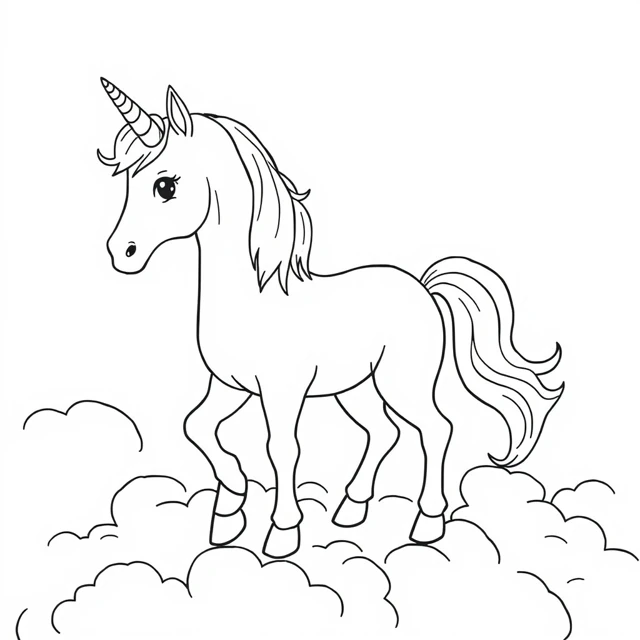
Try pale clouds and a colorful mane.
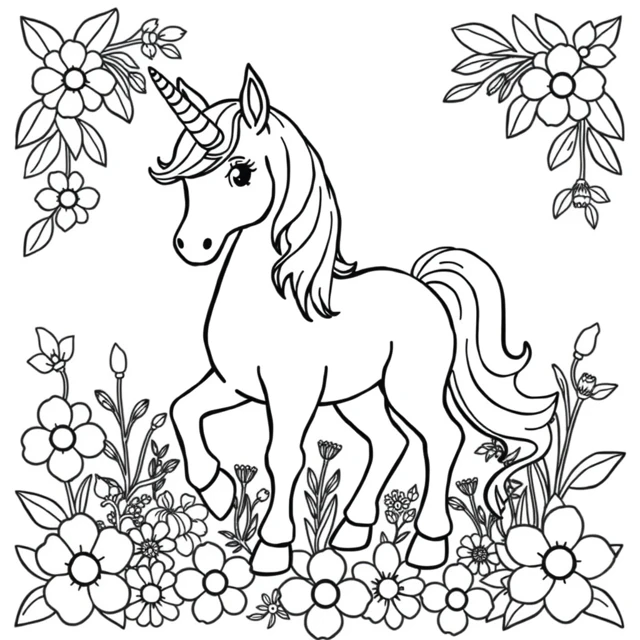
Repeat one petal color at opposite corners.
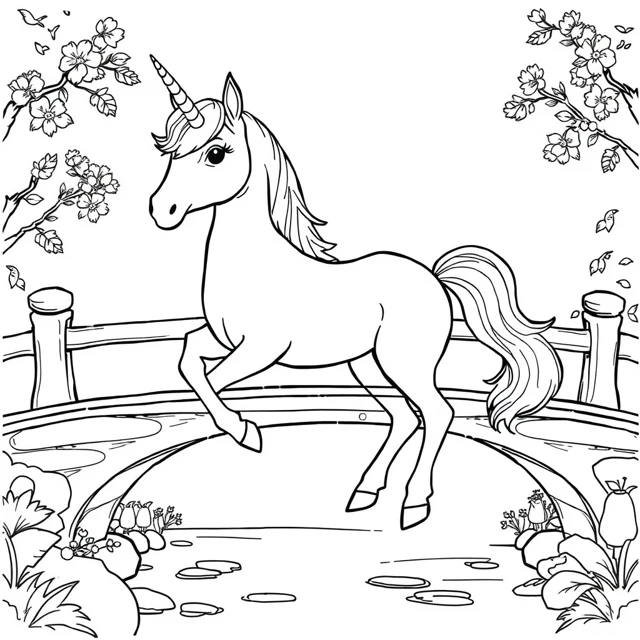
Use a contrasting mane against the broad bridge panels.
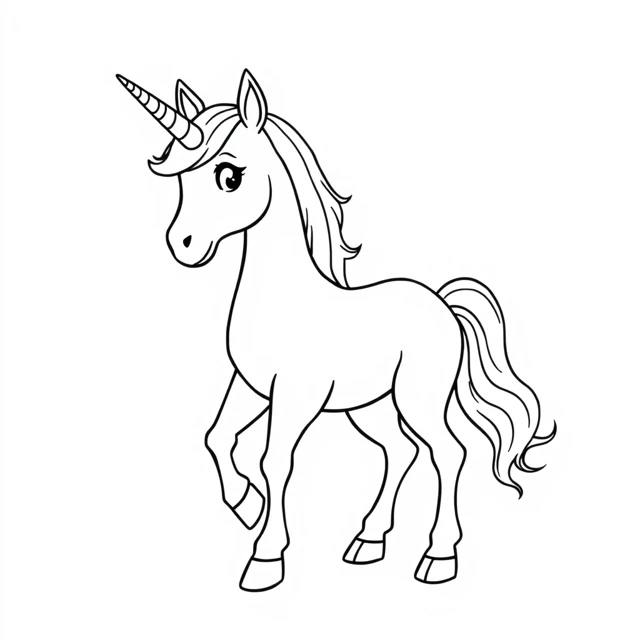
Leave space around the raised hoof and choose a different color for the mane.
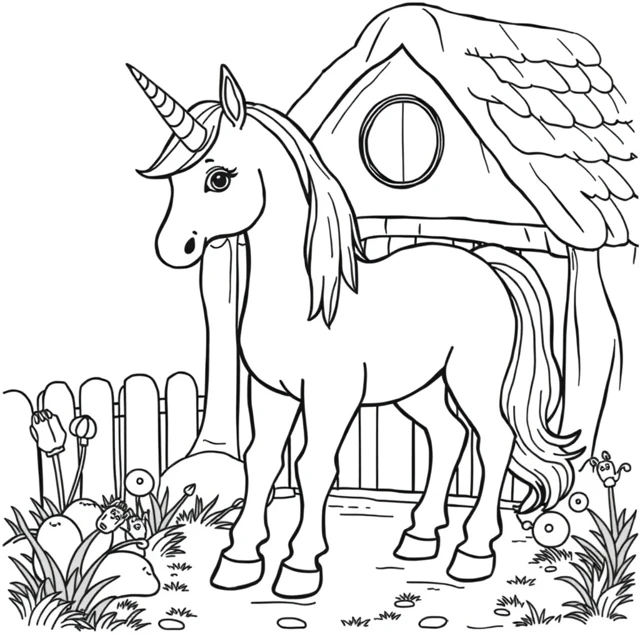
Give the imaginary cottage a palette different from the unicorn.
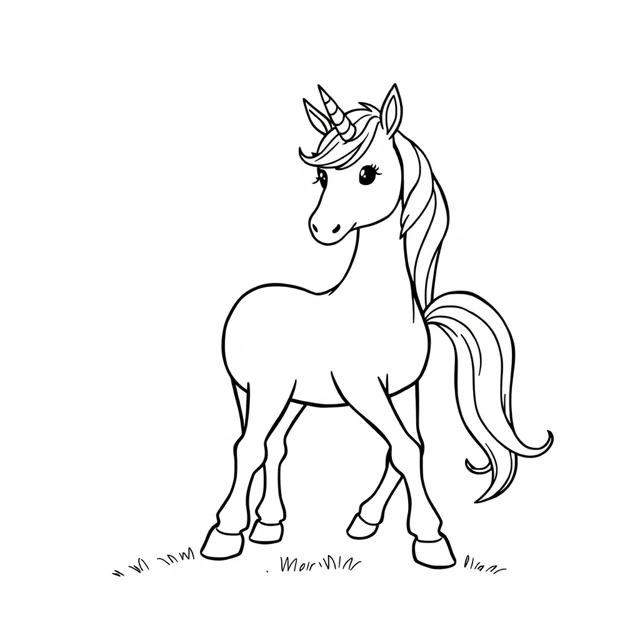
Use the open body area for a broad color block; keep the tail strands distinct.
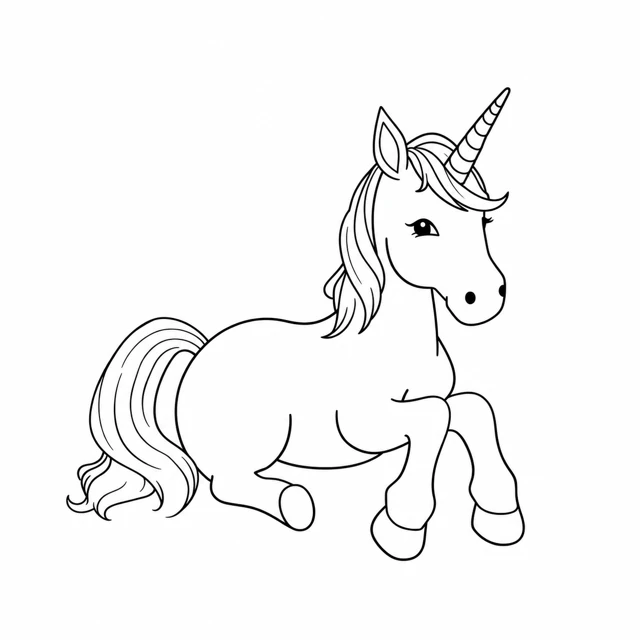
Color the flowing mane and single tail separately from the broad body.
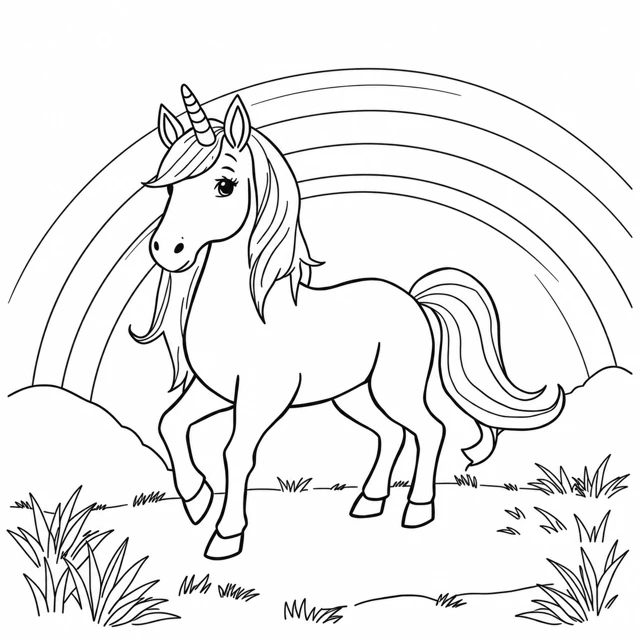
Use a repeating palette on the rainbow and a separate mane accent.
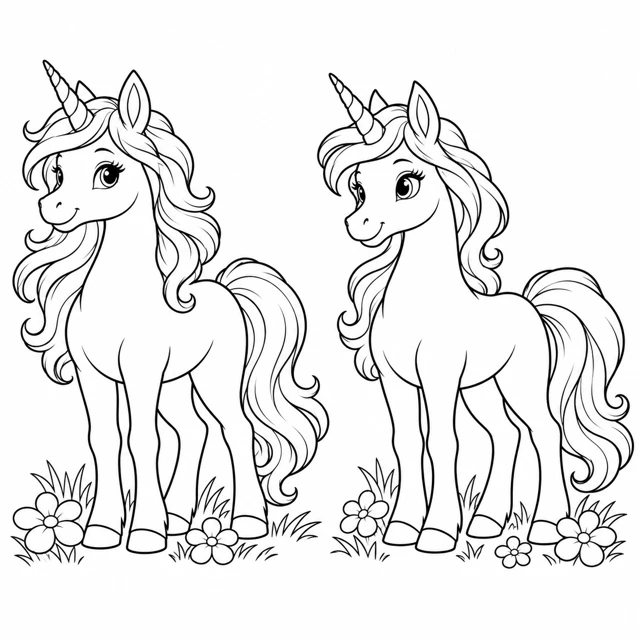
Give each separate unicorn its own mane palette.
Keep the surrounding area clear for your own additions.
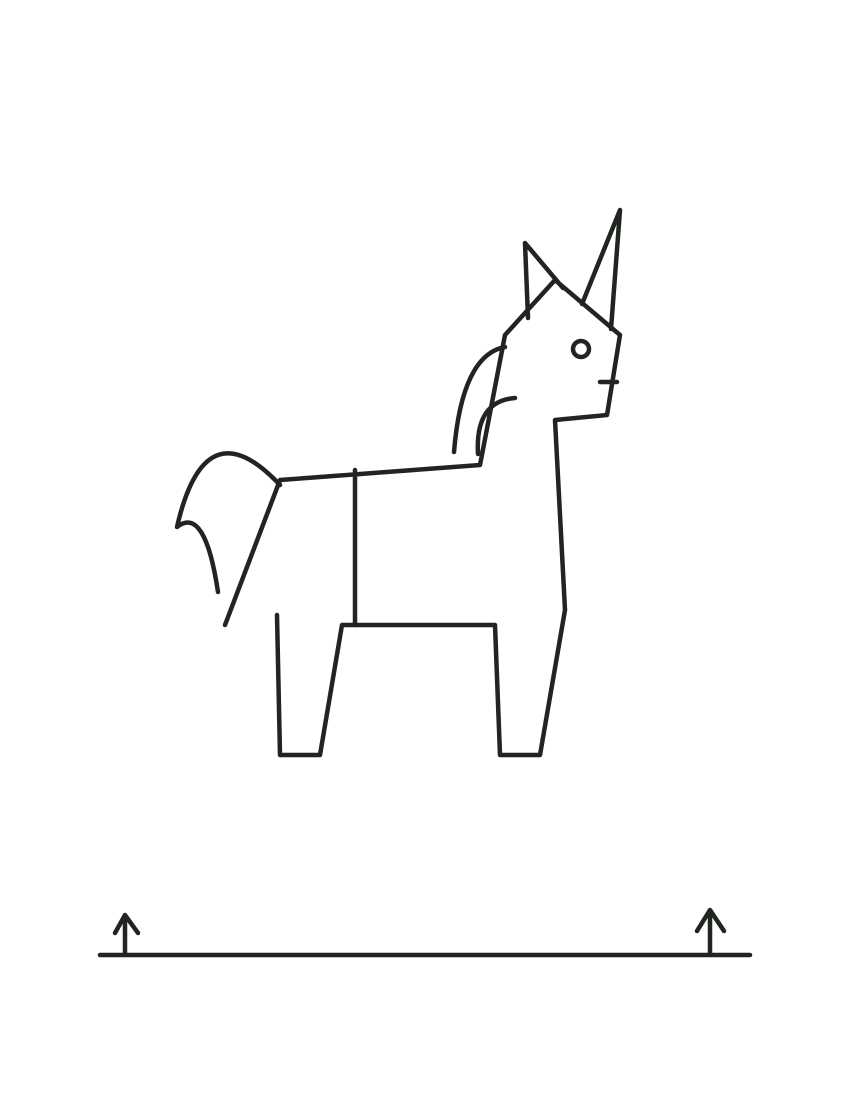
Use the ground line as a starting point for a setting.
Begin with the pointed horn, then choose a pattern for the mane and body. Add a destination in the open space: a garden gate, bridge or tiny house. This is our own fantasy drawing, without a connection to a branded character. For a party activity, each guest can invent a different destination instead of copying one example. The scene version gives the pony an outdoor horizon. Connect the hoof line to a path and add signs by hand. Use a picture sign instead of lettering if writing is difficult. Finish by telling a story about where the unicorn is going.
Use one sheet for a quiet activity at home, or let a small group compare poses, large subjects and more detailed settings in the collection. Explain the creative task before giving out the page. Children can leave areas uncolored, add their own marks or tell a story instead of completing every shape. There is no age score or tested classroom result attached to this collection.
For a party, place coloring materials within reach and let each guest choose their own palette. A teacher can compare a large-subject sheet with a scene and ask which leaves more space for additional ideas. Avoid judging the activity only by how closely a child stays inside the lines.
Choose the standing or resting pose before choosing colors. Broad mane shapes suit a simple palette; gate, bridge and floral scenes introduce smaller spaces. Check that the horn and hooves are not clipped in print preview. The greeting frame has a blank message line that you fill yourself after printing.
If you turn the greeting frame into a card, use your own folding layout and printer-supported stock. Keep the crease away from the horn. A light sky keeps rainbow arcs visible without a heavy background fill; make a proof before using the same layout for a party set.
At home, choose one visible unicorn picture and begin with a few broad shapes. For a class or small party, compare two previews and let people choose their own palette. Use the selected-sheet panel to download or print the chosen picture without printing the gallery. Select the paper loaded in your printer, inspect fit and margins, and use black-and-white or grayscale if available. A single-sided sheet leaves the back clear for a message or invented story;
Yes. Each preview shows the image linked by its own download button; the reviewed scenes use PNG and the two simple exercises use SVG. They are prepared illustrations, not examples promised from a future generator run.
You can add details by hand after printing or edit your copy in a compatible SVG editor for your personal or classroom activity. The fixed download does not have an online editing panel.
Use the separate photo-to-coloring-page workflow for your own permitted image. It creates a raster outline and is different from downloading these prepared vectors.
Want another subject? Create a new page in the AI coloring page generator, or start with your own photo.
If you save your chosen picture as a PDF, Adobe’s guide to PDF page size and fit settings explains the print-dialog options. Settings differ in other viewers and printer drivers.
For a separate drawing activity, explore the National Gallery of Art’s lesson on drawing everyday objects. It offers mark-making ideas rather than instructions or an endorsement for this generator.